

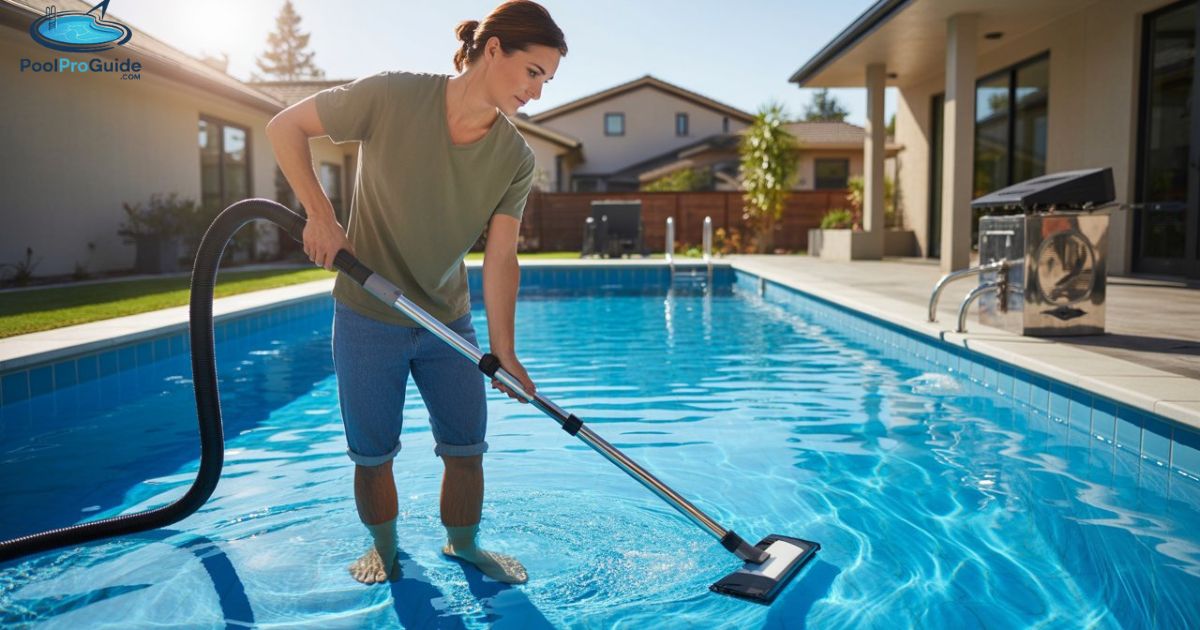
A backyard pool adds comfort, relaxation, and lifestyle value to American homes. However, crystal-clear water often hides dirt that slowly settles beneath the surface. Dust, pollen, sunscreen oils, insects, and fine sand collect daily even when filtration systems operate correctly. This hidden buildup makes learning How to vacuum a pool one of the most important skills for any pool owner.
Proper swimming pool cleaning goes beyond appearance. Debris left untreated affects circulation, water chemistry, and equipment performance. A consistent pool maintenance routine improves swimmer safety while supporting long-term pool sanitation. When vacuuming becomes part of your regular pool care routine, you prevent costly repairs and maintain fresh, inviting clean pool water throughout the entire swimming season.
Why Vacuuming Your Pool Regularly Is Important for Long-Term Pool Health
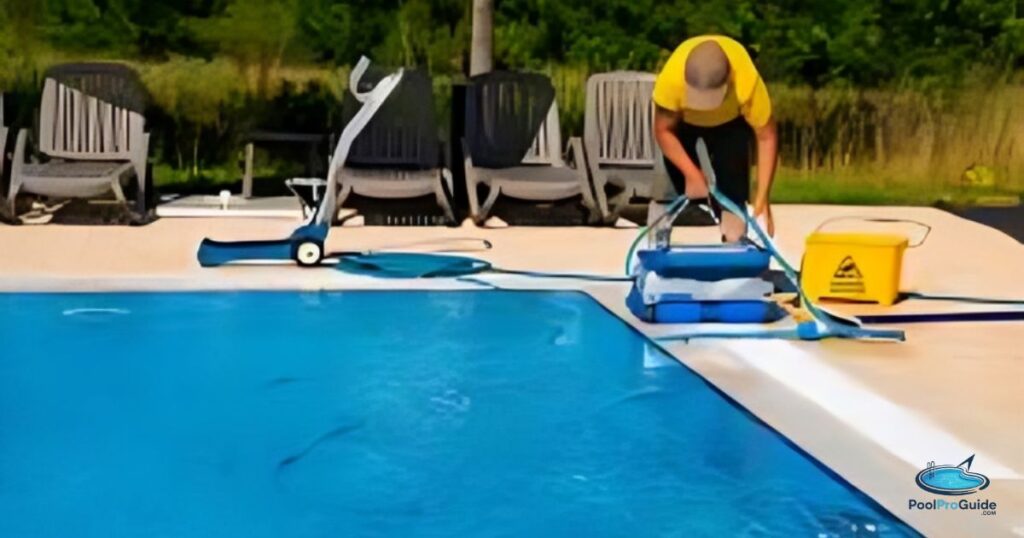
Many pool owners assume filters remove everything automatically. In reality, filtration mainly handles floating particles while heavier contaminants sink to the bottom. Without regular pool debris removal, organic waste decomposes and feeds algae growth. Consistent vacuuming strengthens overall pool hygiene maintenance and keeps water balanced naturally.
Understanding why vacuuming your pool regularly is important also helps reduce chemical dependency. Dirt consumes chlorine rapidly which forces owners to add more treatment products. Following a structured pool cleaning process protects pumps, reduces maintenance costs, and supports efficient weekly pool maintenance across changing weather conditions in the United States.
Hidden Problems Caused by Skipping Regular Pool Vacuuming
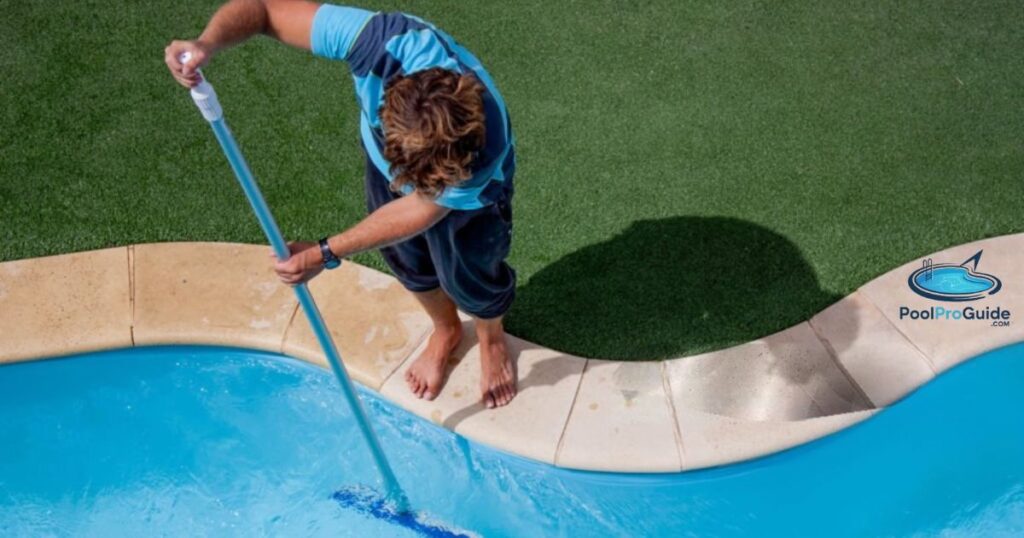
When debris remains untouched, biofilm begins forming along pool surfaces. This slippery layer allows bacteria and algae spores to multiply quickly. Poor pool floor cleaning eventually leads to staining, cloudy water, and unpleasant odors. A reliable pool vacuuming guide prevents these issues before they become expensive restoration problems.
Types of Pool Vacuums Explained
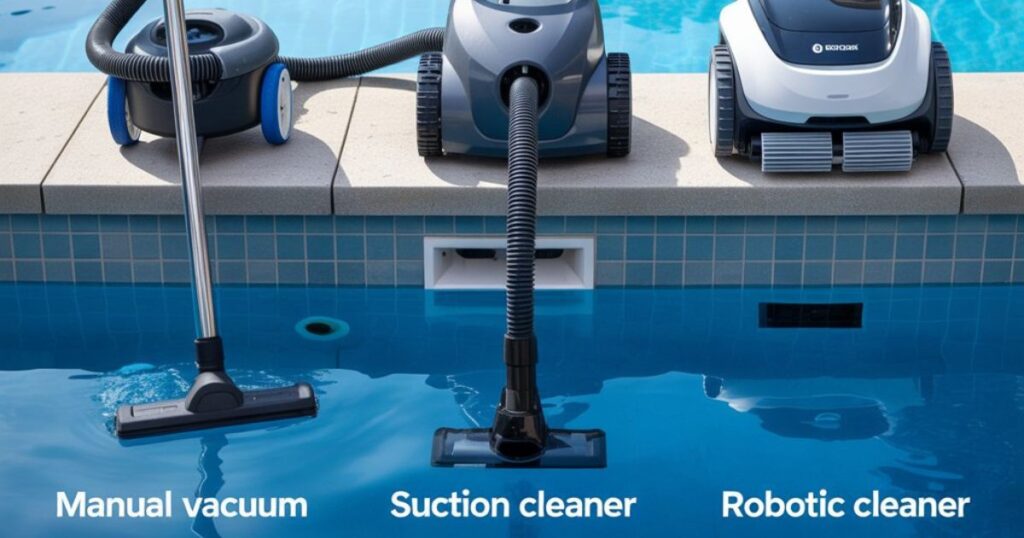
Pool vacuums differ based on automation level and cleaning power. Manual systems provide detailed manual pool vacuuming, allowing owners to target corners and heavy debris zones directly. Suction cleaners connect to filtration systems and perform basic swimming pool cleaning automatically during circulation cycles.
Robotic vacuums represent modern innovation in pool upkeep. These independent units scrub surfaces while consuming less energy than traditional pumps. Still, knowing how to vacuum a pool manually remains essential because robotic cleaners cannot fully replace deep seasonal cleaning required for proper pool sanitation.
| Vacuum Type | Cleaning Ability | Maintenance Need | Ideal User |
| Manual Vacuum | Deep precision cleaning | Low cost | Hands-on owners |
| Suction Cleaner | Routine cleaning | Moderate | Busy households |
| Robotic Cleaner | Automated cleaning | Minimal effort | Large pools |
Equipment Needed Before Vacuuming a Pool
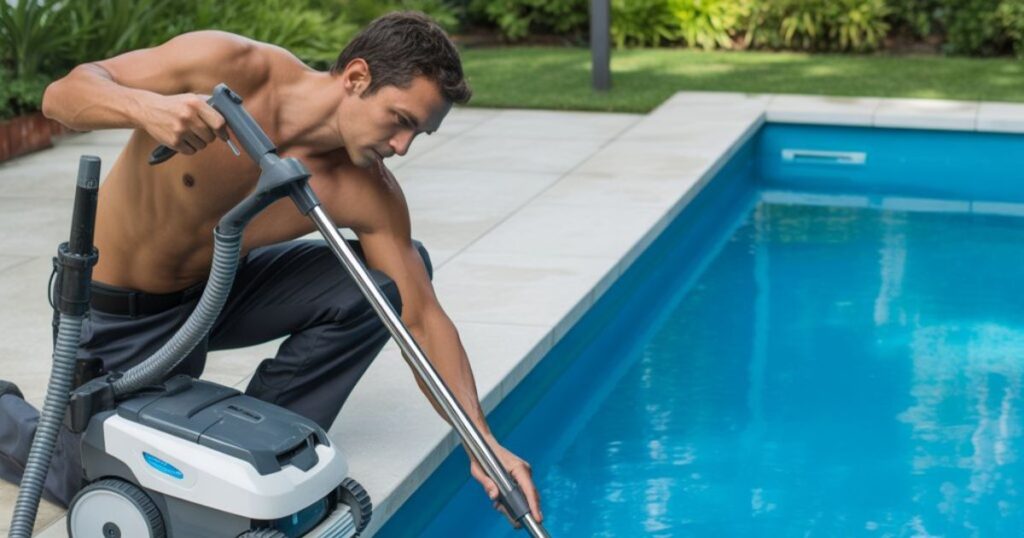
Preparation determines cleaning success. Using proper equipment improves suction performance and ensures efficient pool debris removal. A vacuum head suited to your pool surface prevents scratches while flexible hoses improve movement during pool floor cleaning.
Additional tools such as brushes and skimmer plates support smoother operation. Preparing equipment beforehand strengthens your long-term pool care routine and helps maintain consistent clean pool water without unnecessary strain on filtration systems.
| Essential Tool | Purpose |
| Vacuum Head | Removes settled debris |
| Telescopic Pole | Extends reach |
| Vacuum Hose | Transfers debris |
| Skimmer Plate | Prevents clogging |
| Pool Brush | Loosens dirt |
Step 1 – Assemble and Prepare the Pool Vacuum Equipment
Proper assembly eliminates suction leaks before cleaning begins. Secure connections between the pole, vacuum head, and hose ensure steady water flow during manual pool vacuuming. Small air leaks drastically reduce cleaning efficiency.
Preparation also includes inspecting filters and pump pressure. A clean filter allows maximum suction strength during the pool cleaning process. This early preparation explains why professionals emphasize setup as the foundation of effective swimming pool cleaning.
Step 2 – Prime the Vacuum Hose to Remove Air
Air inside the hose interrupts suction and stresses pump motors. Submerging the hose gradually forces water through each section until bubbles disappear completely. Proper priming improves pool debris removal while protecting circulation equipment.
Many beginners skip this step which causes frustration and weak performance. Following a reliable pool vacuuming guide ensures stable suction and improves overall pool sanitation, helping maintain long-lasting clean pool water.
Step 3 – Connect the Vacuum Hose to the Skimmer or Suction Port
Correct connection ensures debris moves safely toward filtration systems. Skimmer attachments capture larger particles before they reach pumps. Dedicated suction ports provide stronger cleaning power for intensive pool floor cleaning.
Maintaining steady water flow improves overall pool maintenance routine efficiency. Proper attachment also prevents air intake which can damage pumps and interrupt swimming pool cleaning operations.
Step 4 – Choose the Correct Filter Valve Setting
Filter settings control how debris exits the system. Standard filter mode suits routine weekly pool maintenance, while waste mode removes algae or heavy contamination directly from the pool.
Incorrect valve usage often causes cloudy water problems. Understanding filtration behavior enhances pool sanitation while protecting internal components during demanding pool cleaning process sessions.
| Valve Setting | Function | Best Situation |
| Filter | Normal cleaning | Weekly vacuum |
| Waste | Heavy debris removal | Algae cleanup |
| Backwash | Filter cleaning | High pressure |
Step 5 – Start Vacuuming the Pool Floor Properly
Vacuum slowly using overlapping movements similar to lawn mowing. Fast movement scatters debris and reduces efficiency. Controlled motion improves pool floor cleaning and ensures particles enter the filtration system completely.
Professionals recommend starting from shallow areas before moving deeper. This technique strengthens pool hygiene maintenance and maintains consistently clear results during swimming pool cleaning sessions.
Step 6 – Brush and Vacuum Pool Walls and Corners
Walls accumulate oils, calcium deposits, and algae spores that circulation cannot remove. Brushing loosens buildup before vacuuming which improves pool debris removal effectiveness.
Corners and steps often hide contaminants missed during routine cleaning. Including wall maintenance within your pool care routine improves long-term pool upkeep and strengthens complete pool sanitation practices.
Step 7 – Empty Skimmer Basket and Monitor Equipment
Skimmer baskets quickly fill during vacuuming. Blocked baskets restrict suction and slow cleaning progress. Regular monitoring supports uninterrupted manual pool vacuuming and improves filtration efficiency.
Checking gauges and pump performance protects equipment longevity. Preventive monitoring forms a vital part of responsible weekly pool maintenance and efficient swimming pool cleaning management.
Step 8 – Disconnect Vacuum and Perform Final Cleanup
Always shut off the pump before removing equipment. Rinse hoses and vacuum heads to remove chemical residue. Proper cleaning extends equipment life and supports ongoing pool hygiene maintenance.
Resetting valves and restoring circulation completes the pool cleaning process. Proper storage prevents cracking and ensures reliable pool upkeep for future cleaning sessions.
Step 9 – Check and Balance Pool Water Chemistry After Vacuuming
Vacuuming disturbs settled contaminants which may temporarily alter water balance. Testing chemical levels restores safe swimming conditions after heavy pool debris removal.
Balanced chemistry protects surfaces and swimmers alike. Maintaining proper levels ensures stable clean pool water while reinforcing a reliable pool maintenance routine.
| Chemical | Ideal Range |
| pH | 7.2 – 7.6 |
| Chlorine | 1–3 ppm |
| Alkalinity | 80–120 ppm |
Common Pool Vacuuming Mistakes to Avoid
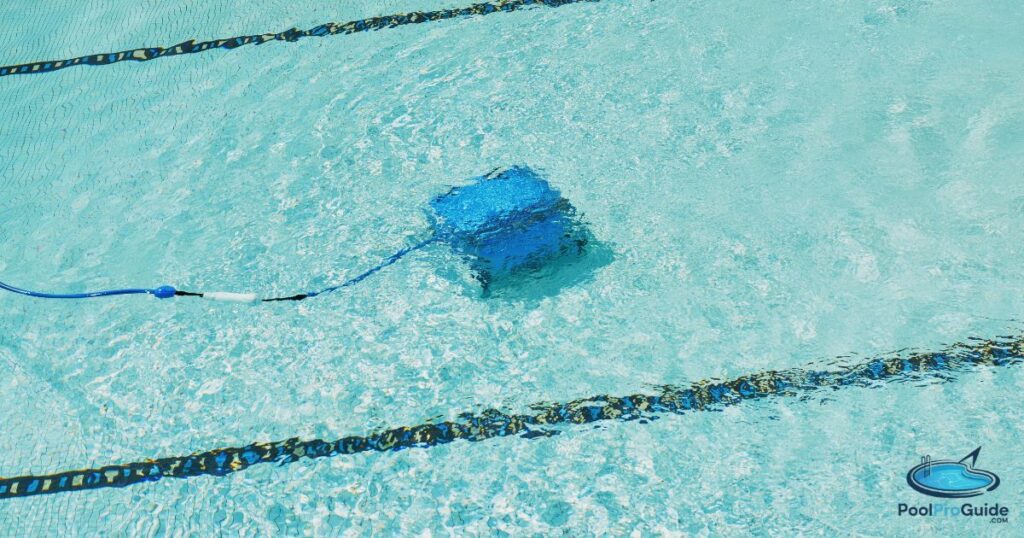
Many owners vacuum too quickly which spreads debris instead of removing it. Skipping hose priming remains another common mistake affecting pool floor cleaning results.
Ignoring filter cleaning or water levels damages equipment over time. Following an organized pool vacuuming guide ensures efficient swimming pool cleaning and prevents unnecessary maintenance expenses.
How Often Should You Vacuum Your Pool?
Most residential pools in the United States require vacuuming once per week. Pools exposed to trees, storms, or heavy usage may need additional cleaning sessions.
Understanding why vacuuming your pool regularly is important helps establish consistency. A dependable pool care routine maintains strong pool sanitation, supports long-term pool upkeep, and guarantees comfortable swimming conditions year-round.
Final Thoughts
Consistent vacuuming protects your investment and improves daily enjoyment. When you master how to vacuum a pool, follow a structured pool cleaning process, and maintain proper pool sanitation, your water stays clear and safe.
Regular manual pool vacuuming combined with smart maintenance habits creates lasting clarity. Clean pools are never accidental. They result from routine care, patience, and informed cleaning decisions.
FAQs
How do you vacuum a pool step by step?
Attach the vacuum equipment, prime the hose to remove air, connect it to the skimmer, then move the vacuum slowly across the pool floor in overlapping passes.
What setting do you put your pool filter on when vacuuming?
Use the Filter setting for normal cleaning and switch to Waste only when removing heavy debris or algae.
Do you vacuum a pool on backwash or waste?
You should vacuum on Waste for dirty pools or algae because debris bypasses the filter instead of clogging it.
How long do you backwash a pool after vacuuming?
Backwash for about 2–3 minutes or until the sight glass water runs clear.
How to vacuum a pool with no vacuum?
You can use a pool brush to push debris toward the drain or use a leaf net for manual debris removal temporarily.
Meta Description
Keep your pool sparkling and safe with our complete guide on how to vacuum a pool for clean, clear water every week.

Welcome to PoolProGuide! I’m John Phillips is a Certified Pool Operator with 12+ years of experience specializing in advanced water chemistry and DIY pool care solutions across the USA.