
Certified Pool Operator | Pool Chemistry Specialist | Technical Writer
PoolProGuide.com
About John Phillips
John Phillips is a Certified Pool Operator (CPO #48721) and the lead technical writer at PoolProGuide.com. He specializes in residential pool water chemistry, pH and alkalinity management, filtration systems, and equipment maintenance.
![John Phillips, Certified Pool Operator and pool chemistry specialist at PoolProGuide.com]](https://poolproguide.com/wp-content/uploads/2026/07/john-phillips-pool-care-specialist-poolproguide.jpg)
His work focuses on one specific problem: most pool owners receive chemical advice that treats symptoms rather than root causes. A pool store recommends more shock. A neighbor says add baking soda. A YouTube video contradicts both. John’s guides are built to cut through that confusion with chemistry-backed explanations written in plain language.
Every article published under his name is developed against APSP (Association of Pool and Spa Professionals) water quality standards and cross-referenced with CDC recreational water safety guidelines before publication.
Credentials and Expertise
Certified Pool Operator (CPO) Certification issued by the Pool and Hot Tub Alliance (PHTA), the industry standard credential for professional pool operators covering water chemistry, filtration, equipment, and regulatory compliance.
Areas of Specialization
- Pool water chemistry: pH, total alkalinity, calcium hardness, cyanuric acid
- Muriatic acid treatment and dosing for residential pools
- Chlorine and sanitizer management
- Salt water pool systems and chlorinator maintenance
- Pool filtration: cartridge, DE, and sand filter systems
- Pool equipment: pumps, heaters, salt cells, and return systems
- Seasonal pool opening and closing procedures
- Pool tile and surface cleaning and maintenance
Standards Applied to All Content
All guides published at PoolProGuide.com are developed using:
- APSP/PHTA water quality standards for residential pools
- CDC Healthy Swimming guidelines for recreational water safety
- Pool and Hot Tub Alliance (PHTA) recommended chemistry ranges
- Taylor Technologies testing methodology for water analysis
What John Covers at PoolProGuide
John’s primary focus is pool water chemistry for residential pool owners. His guides are structured around the actual questions homeowners search for when something goes wrong with their pool, not what pool stores want them to buy.
Published Guides Include:
- How to Add Muriatic Acid to a Pool
- What Does Muriatic Acid Do for a Pool
- How Much Muriatic Acid to Lower Pool pH
- Muriatic Acid to Lower Pool Alkalinity
- How to Clean Pool Filter With Muriatic Acid
- Muriatic Acid for Salt Water Pools
- Pool Chlorine Smell After Treatment
- Why Pool pH Keeps Rising After Treatment
All articles follow a consistent framework: direct answer first, chemistry explained clearly, actionable steps with exact measurements, and honest limitations stated when a problem requires professional attention.
Editorial Standards at PoolProGuide
Every guide published under John’s name follows these standards:
Accuracy first. Chemical dosage figures are calculated using established pool chemistry formulas. No approximate language when exact numbers can be given.
Sources cited. Where external data is referenced, the source is named: PHTA, CDC, APSP, Fluidra, or peer-reviewed water chemistry literature.
Limitations stated. Every guide specifies what scenario it covers and what it does not. A residential pool guide does not make claims about commercial facilities, spas, or public pools.
No product bias. PoolProGuide does not recommend specific chemical brands to readers without clearly stating when a product recommendation exists. Testing methodology recommendations (Taylor Technologies K-2006) are based on professional standard, not commercial relationship.
Contact and Corrections
Found an error in one of John’s guides or have a pool chemistry question?
PoolProGuide reviews all reader feedback and updates articles when chemistry standards change or reader questions reveal gaps in existing coverage.
Recent Articles by John Phillips
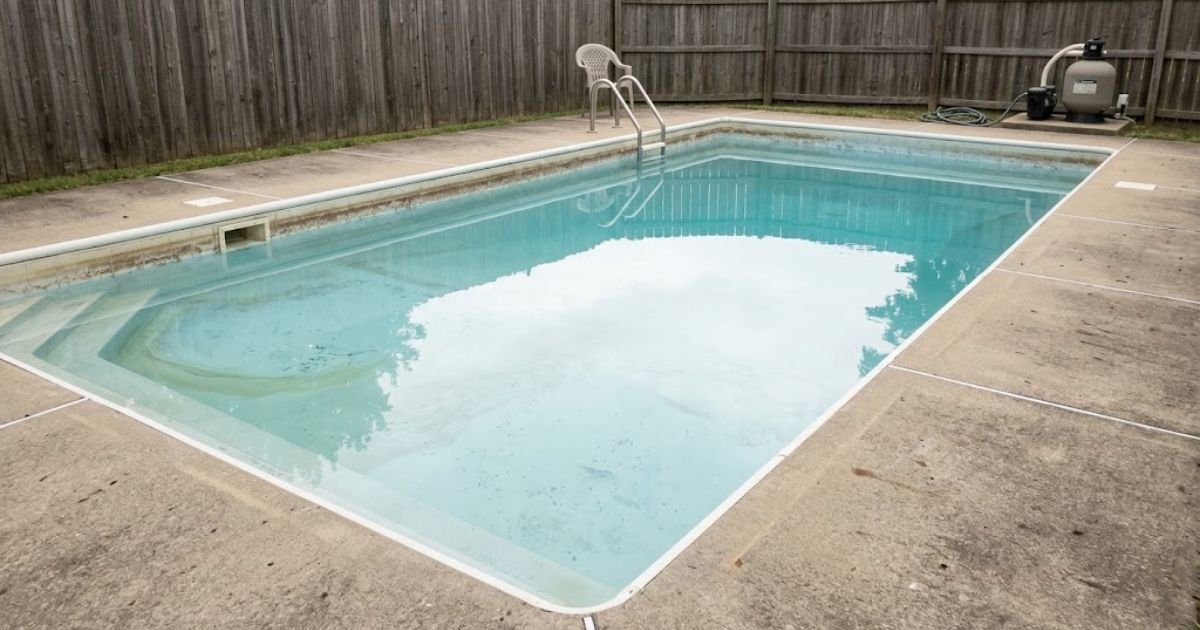
Pool Water Feels Slimy or Slippery? Here Is Exactly Why and How to Fix It
August 7, 2026
When pool water feels slimy, it is almost always caused by one of six problems: biofilm forming on surfaces, early-stage algae growth before the water turns green, high pH reducing chlorine’s effectiveness, heavy bather load depleting your sanitizer, elevated total dissolved solids building a film, or organic contamination from sunscreen and body oils accumulating faster
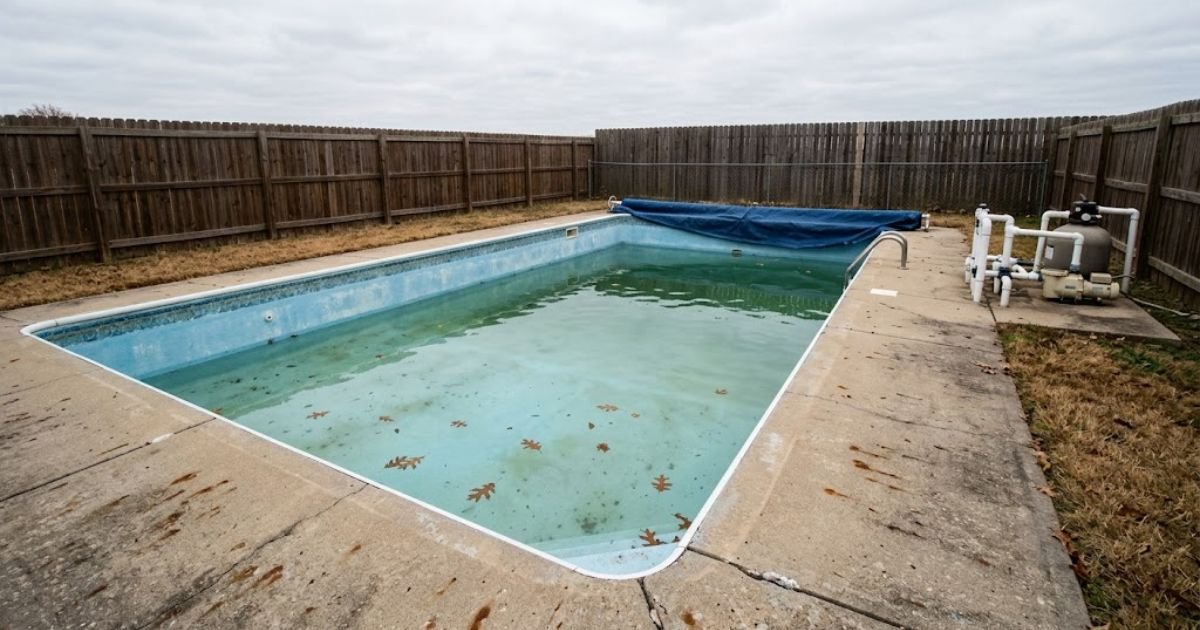
How to Close a Pool for Winter: Step-by-Step Winterizing Guide (2026)
August 6, 2026
Closing a pool for winter means balancing water chemistry, shocking the pool, blowing out the plumbing lines, lowering the water level, draining and storing equipment, and securing a winter cover before temperatures drop below 32°F. Done correctly, it takes 4 to 6 hours and protects your pool from freeze damage, algae, and mineral buildup until
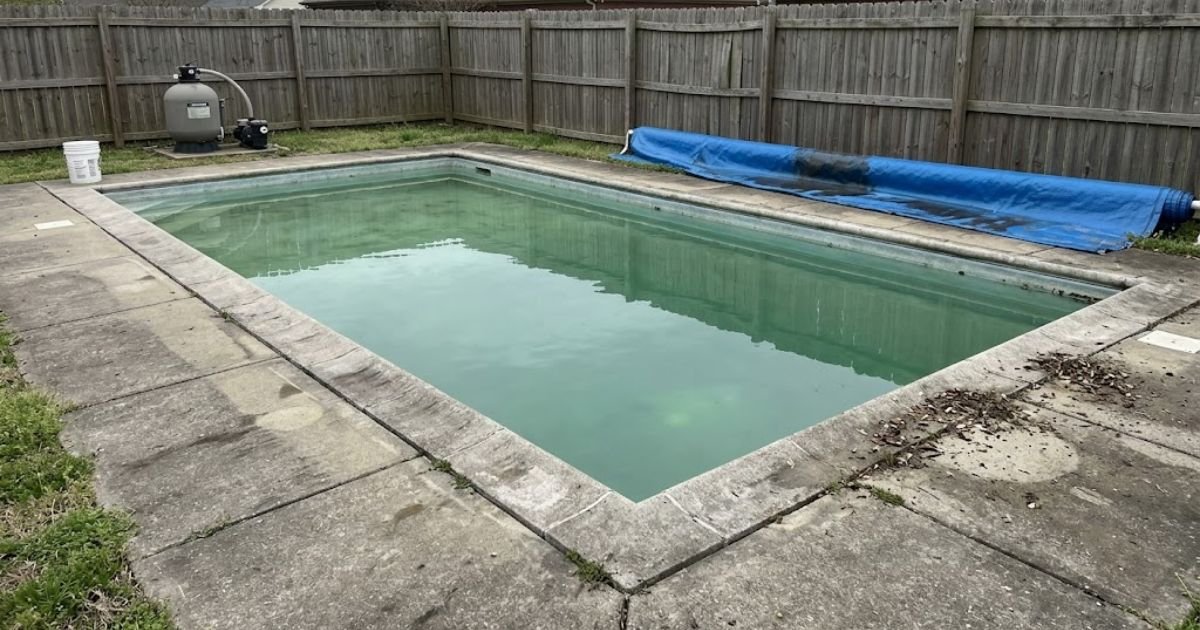
How to Open a Pool for the Season: Step-by-Step Spring Startup Checklist for a Clean, Safe Pool
August 5, 2026
Open your pool when water temperature consistently reaches 60°F. Inspect equipment first, fill to the correct level, run the filter, then add chemicals in the right order — alkalinity first, pH second, shock last. Most pools are swim-ready within 3 to 7 days. Opening a pool for the first time each season is where most
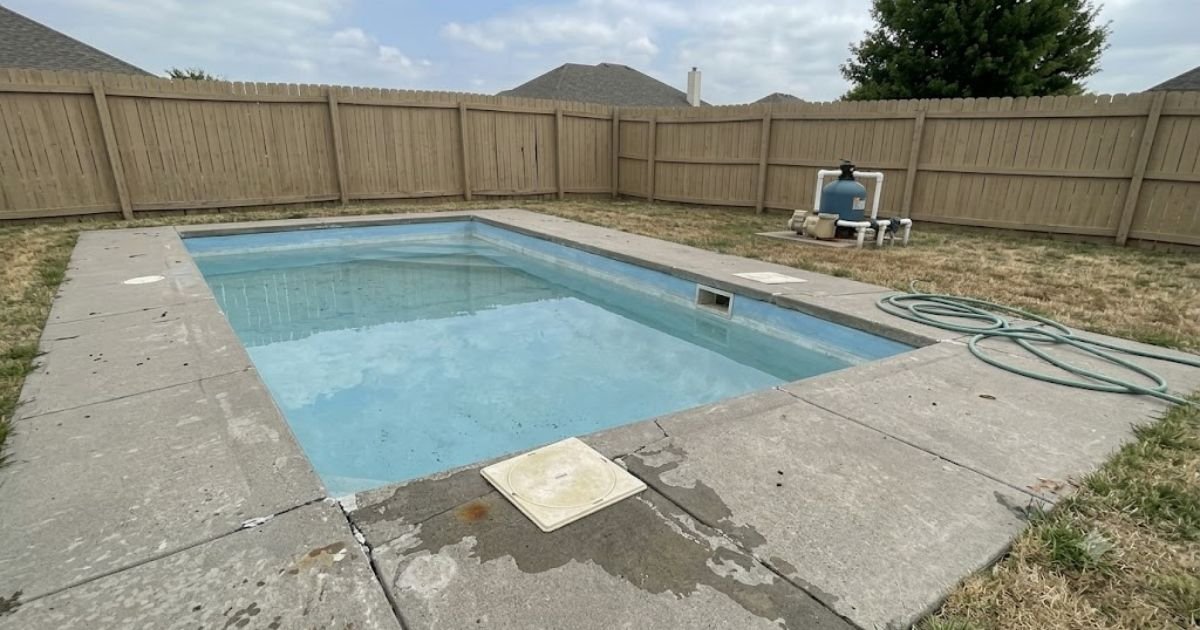
Pool Water Level Dropping? Here Is Exactly How to Tell If It Is Evaporation or a Leak
August 1, 2026
Quick Answer: Most pools lose 1/4–1/2 inch of water per day through normal evaporation. If your pool loses more than 1/2 inch daily, especially overnight or during mild weather, perform a 24-hour bucket test. If the pool loses more water than the bucket, you likely have a leak.You refilled the pool last week. Yesterday the
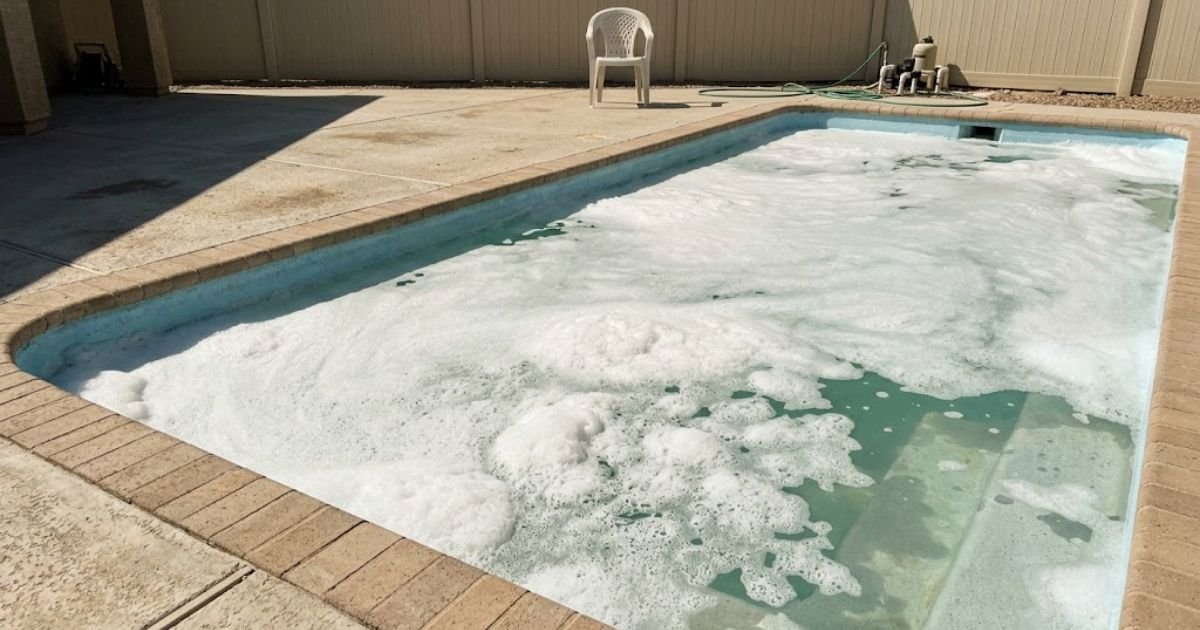
Foamy Pool Water? 8 Real Causes and How to Clear It Fast
July 31, 2026
why is my pool water foamy pool foam after adding chemicals pool water foamy after rain new pool foamy water cause pool foam after party how to get rid of foam in pool You checked your pool this morning and it looked fine. After a party or after adding algaecide, white foam covers the surface
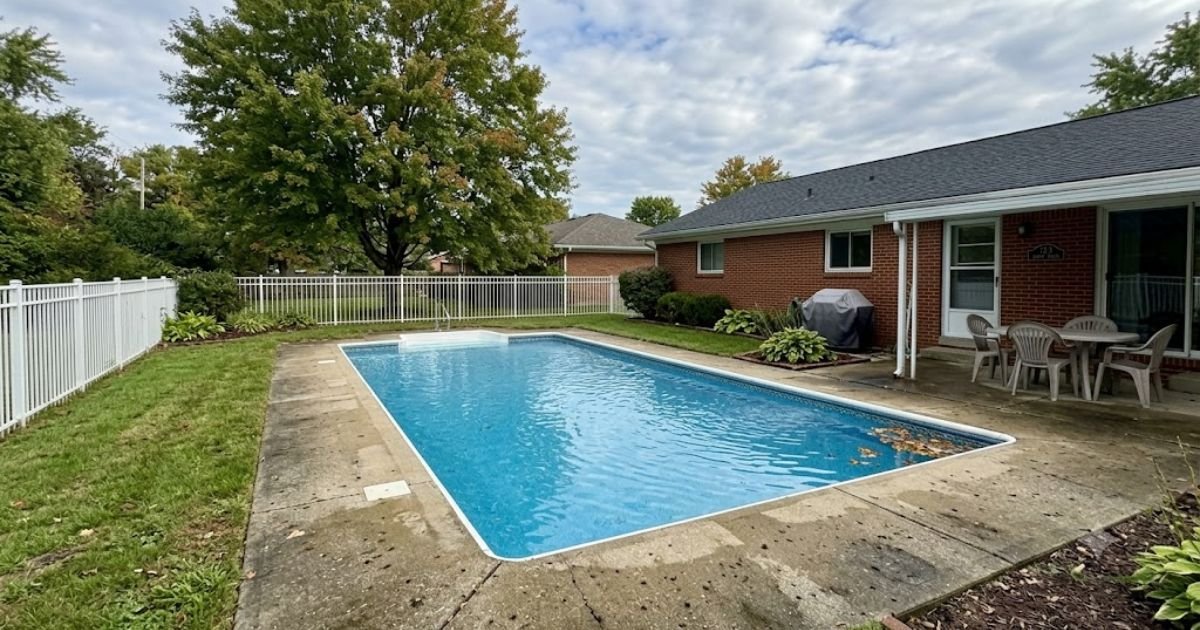
Pool Phosphates: What They Are, Why They Matter, and Whether You Actually Need to Treat Them
July 31, 2026
what are phosphates in pool water do pool phosphates matter high phosphates in pool causing algae pool phosphate remover does it work how to lower phosphates in pool pool phosphates vs chlorine Quick Answer: Pool phosphates are nutrient compounds that enter pool water through leaves, fertilizer runoff, tap water, rain, and swimmers. They do not
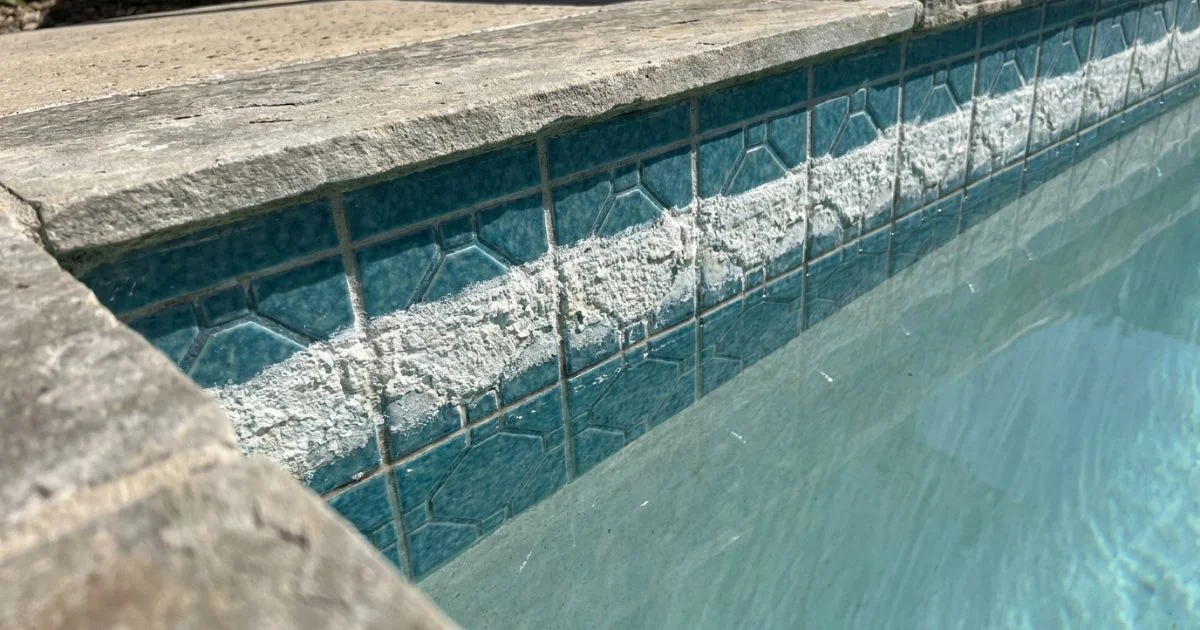
Pool Calcium Hardness: Ideal Range, What Goes Wrong, and How to Fix It
July 30, 2026
Pool calcium hardness refers to the total amount of dissolved calcium in your pool water, measured in parts per million (ppm). It directly affects whether water corrodes pool surfaces or deposits mineral scale. According to PHTA/ANSI standards, the ideal range for most pools is 200–400 ppm. Getting outside that window causes real, visible damage over
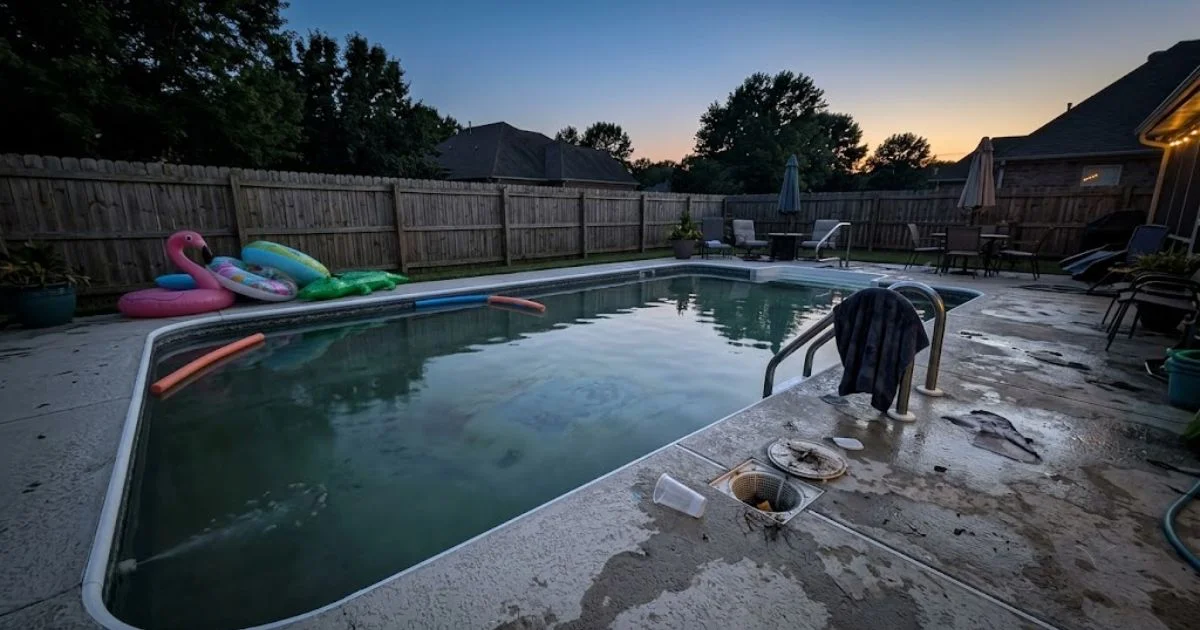
How to Maintain Pool Chemistry After a Pool Party (Heavy Bather Load Fix)
July 26, 2026
Quick Answer: To fix pool chemistry after a pool party, test free chlorine and pH first, shock with the correct dose for your pool volume and bather load, run the filter continuously overnight, retest in the morning, and confirm free chlorine is between 2 and 4 ppm and pH is between 7.2 and 7.6 before
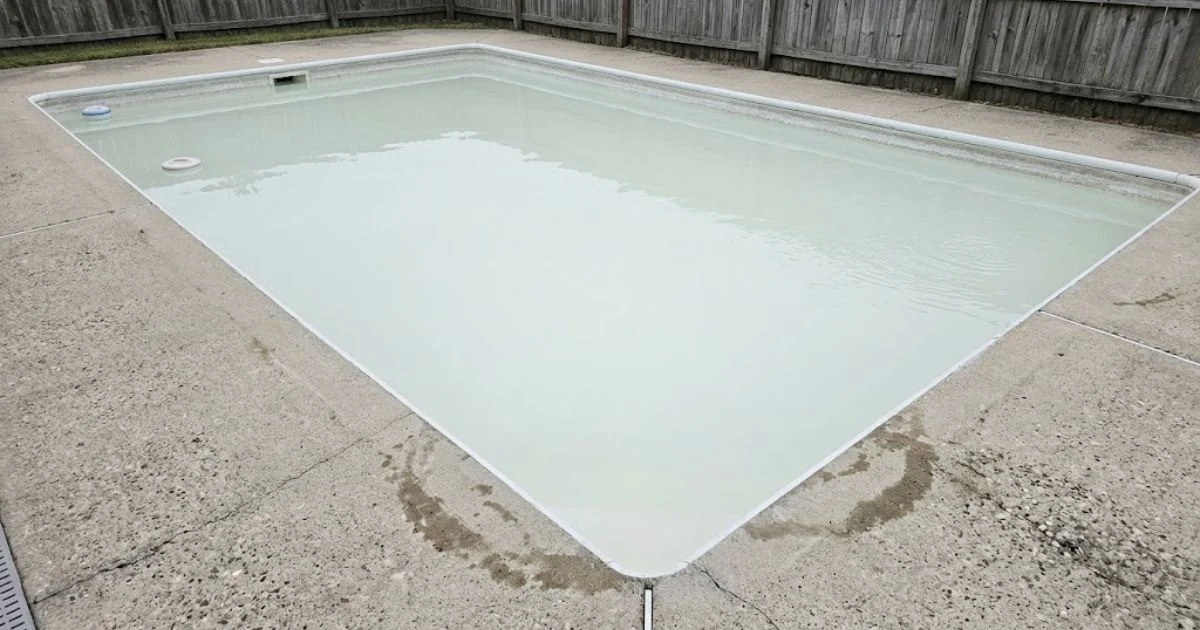
Pool Cloudy After Shock: What the Color Means and How to Fix It
July 25, 2026
You shocked your pool. The water got cloudier. That’s the opposite of what’s supposed to happen, and now you’re staring at milky white or blue gray water wondering what went wrong. Quick Answer: A pool cloudy after shock happens because the treatment oxidized bacteria, algae, and organic debris into tiny suspended particles the filter hasn’t
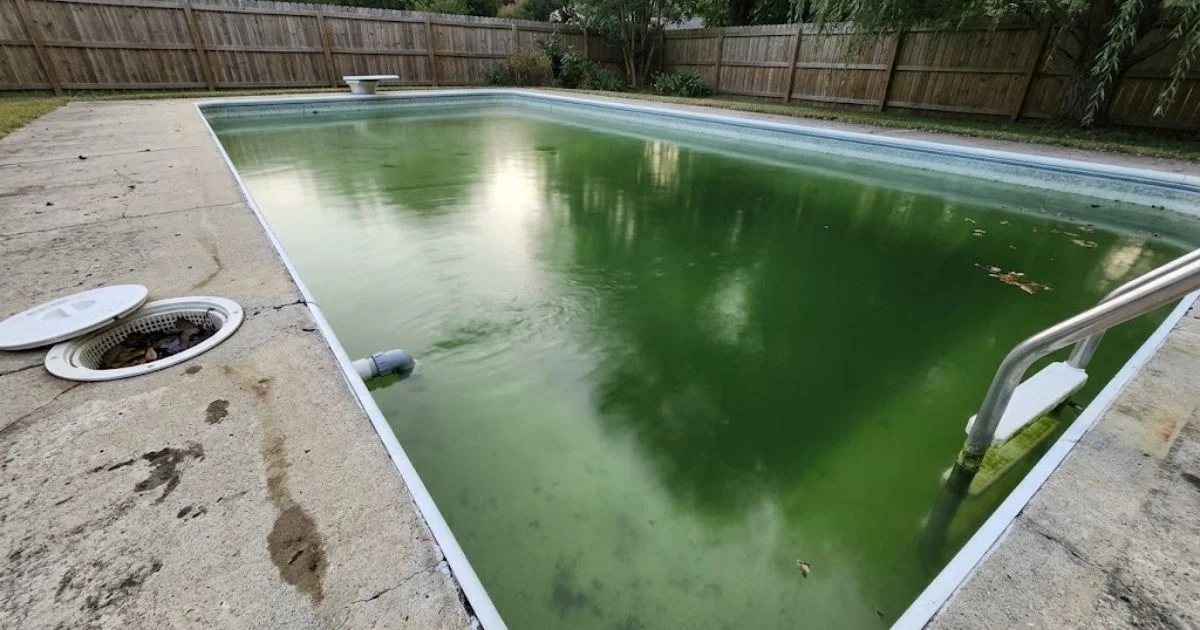
Pool Still Green After Shocking? Here Is Exactly Why and What to Do Next
July 25, 2026
Pool Still Green After Shocking If your pool is still green after shocking, the problem is almost never that shock “doesn’t work.” More often, the chlorine never had a fair shot. High cyanuric acid, wrong pH, underdosing, a dirty filter, or dead algae still floating through the water, one or more of those is why